
 +351 963 509 874
 mail@funpadel.pt




Padel Indoor vs Outdoor: Differences in Play
 5 min
- How Wind and Weather Influence Outdoor Padel
- What Changes on an Indoor Padel Court?
- Does the Ball Behave the Same Way in Both Environments?
- What Strategies to Use Indoors vs. Outdoors?
- On an Outdoor Court:
- On an Indoor Court:
- How to Adapt Your Training to Court Conditions?
- Indoor or Outdoor: Which Is Better?
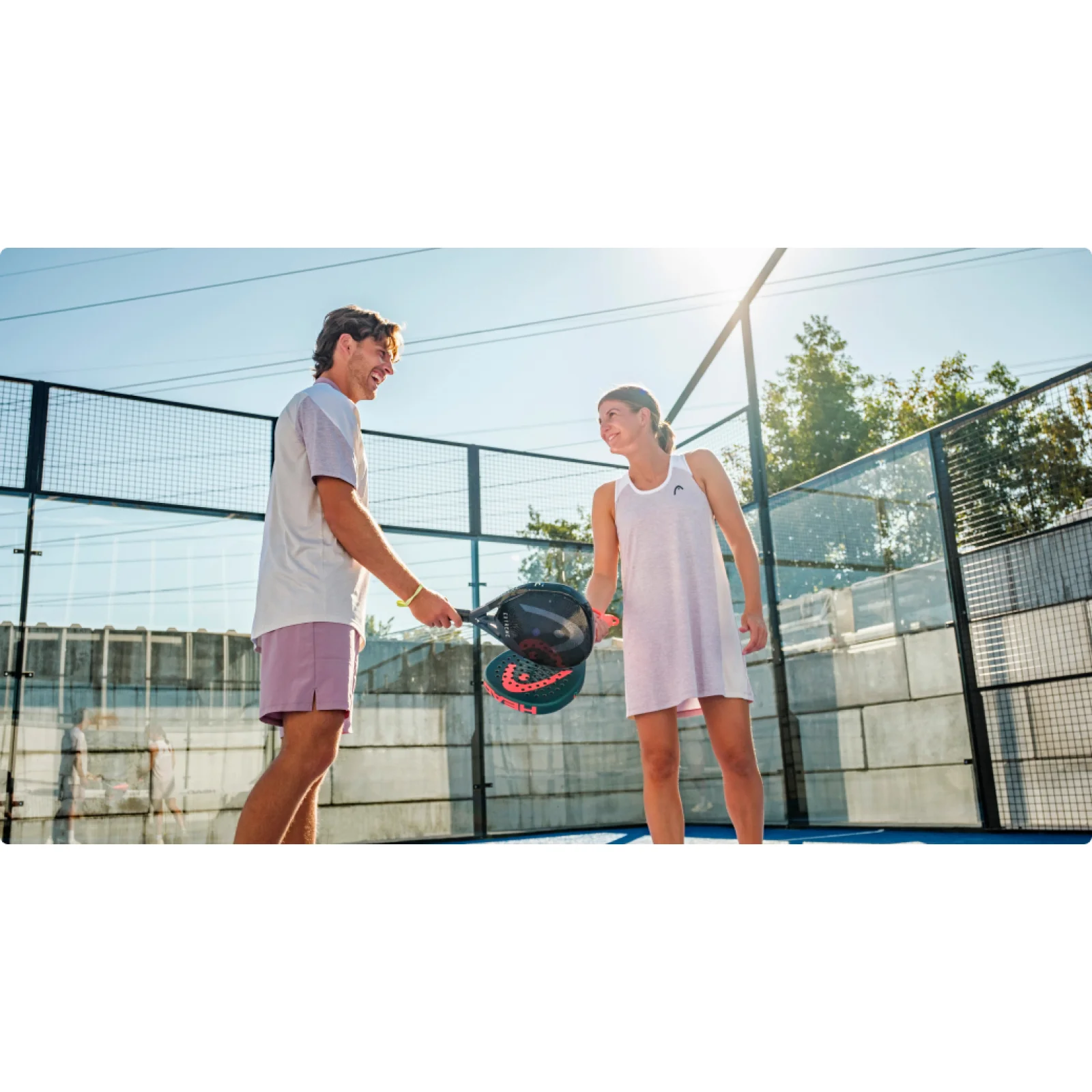
Playing padel on an indoor court or outdoors can significantly influence the trajectory and bounce of the ball, the pace of the rallies, and players' tactical decisions. Wind, temperature, lighting, and court characteristics are just a few factors that matter.
Knowing these differences helps you adapt your shots, choose the right moment to attack, and commit fewer unforced errors.
How Wind and Weather Influence Outdoor Padel
On an outdoor court, the wind can drastically alter the ball's trajectory. A lob against the wind may fall shorter than expected, while a shot hit with a tailwind can gain depth and easily fly out of bounds.
These conditions require you to pay close attention to wind direction and intensity before every point. Instead of automatically relying on high lobs, it can be much more effective to adjust the height and depth of your shot, especially when the wind is strong or erratic.
Temperature and solar exposure also affect player comfort and can alter how the ball behaves. On hot days, the game tends to be faster and livelier; in cold conditions, it can slow down. Even so, the outcome also depends on the type and condition of the padel balls, as well as the court surface.
Practical Tip: During the warm-up, try out a few lobs and baseline shots. Observe the ball's trajectory and adjust your hitting power before attempting more demanding plays.
What Changes on an Indoor Padel Court?
On an indoor court, the absence of wind generally makes the ball's trajectory much more predictable. This allows you to prepare your shots with greater consistency and focus on ball placement, positioning, and reading your opponents' intentions.
However, playing indoors doesn’t mean conditions are always identical. Lighting, ventilation, temperature, and ceiling height can all impact your playing experience. Low-contrast lighting, for instance, can make it harder to visually track a high ball. Meanwhile, a low ceiling might limit certain trajectories, depending on the venue and local court rules.
The game's overall speed also doesn't depend solely on whether the court is covered. The surface type, the balls used, and environmental conditions all contribute to the rhythm of the rallies.
Practical Tip: Before playing, check the lighting and familiarize yourself with the ceiling height. During the warm-up, pay attention to the ball's bounce and how fast it reaches the glass so you can adjust your court positioning.
Does the Ball Behave the Same Way in Both Environments?
Not necessarily. Temperature, internal ball pressure, wear and tear, and the court surface can all influence the bounce and speed of the game.
Generally speaking, higher temperatures tend to make the ball livelier, while the cold reduces its springiness. Wind, on the other hand, mainly interferes with trajectory, making it harder to control shot depth on outdoor courts.
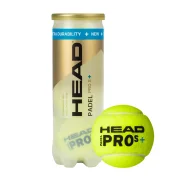
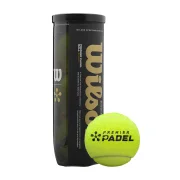
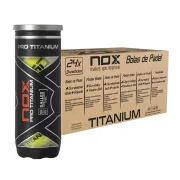
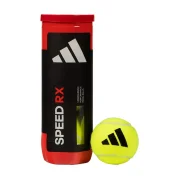
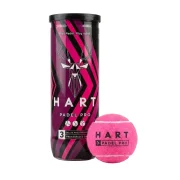
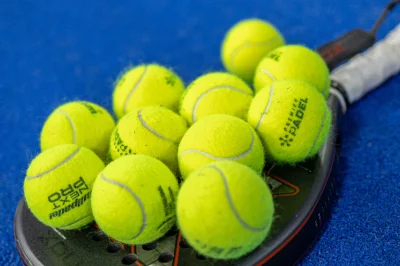
To choose padel balls suited for regular play, it’s important to consider usage conditions and equipment wear. You can explore the Fun Padel catalog of padel balls and compare available options to find the best fit for your game — backed by fast EU-wide shipping and free delivery on orders over €99.
Regardless of the model used, observing the bounce during the warm-up is a simple way to see how the ball responds on that specific court and adjust your stroke power accordingly.
 Bestseller
 0.16
 Bestseller
 0.17

What Strategies to Use Indoors vs. Outdoors?
Strategy should always adapt to court conditions and opponent behavior. There is no single approach that works best in every venue, but a few key aspects are worth keeping in mind.
On an Outdoor Court:
- Assess wind direction and intensity before resorting to high lobs.
- Adjust shot depth to prevent the ball from landing too deep or falling too short.
- Prioritize safety margins when the wind is erratic, avoiding heavy reliance on very high trajectories.
- Observe the ball's bounce to decide whether you should speed up the game or build the point with more patience.
On an Indoor Court:
- Leverage the predictable trajectory to work on precise ball placement.
- Check ceiling clearance before executing high-flying overheads.
- Use consistent rallies to look for opportunities to advance to the net.
- Adjust your pace based on ball speed and your opponents' recovery capacity.
In both environments, controlling depth, varying direction, and choosing the right moment to attack are fundamental skills. The best decision always depends on player positioning, ball quality, and the available space to construct the point.
How to Adapt Your Training to Court Conditions?
If you frequently switch between indoor and outdoor courts, never assume the exact same strategy will yield identical results. Small adjustments during the warm-up can help you quickly read the conditions and prepare better for the match.
Before you start, take a few minutes to:
- Observe the ball’s trajectory and bounce.
- Test lobs, volleys, and baseline strokes.
- Evaluate wind direction if you are playing outdoors.
- Check the lighting and ceiling height if you are indoors.
- Adjust your power, depth, and shot selection to the observed conditions.
With practice, it becomes much easier to identify when you need to play with a higher safety margin, push for a deeper shot, or accelerate the rally.
Indoor or Outdoor: Which Is Better?
There is no universal answer. Indoor courts generally offer better shelter from weather conditions and a more predictable ball trajectory. Outdoor courts demand greater adaptability to wind and environmental variations.
To improve your game, the most important thing is learning to recognize the conditions of each court and adjust your strategy accordingly. The better you understand the behavior of the ball and the space you are playing in, the more consistent your decisions during points will be.
If you are gearing up for your next matches, browse the Fun Padel selection of padel balls and choose the ideal option for your game, complete with free shipping on orders over €99.

Be the first to know what's happening in padel
Subscribe for gear guides, playing tips and the latest padel news — straight to your inbox.
 Fun Padel Team
 Vitalii Grigorovich
 Fast delivery: 1–2 business days
 The best prices on the web
 30 days to return the product
 Helpful customer support
