
 +351 963 509 874
 mail@funpadel.pt


 Bestseller


How to Choose a Padel Ball: A Guide to Choosing the Right Model
 7 min
- What Should You Consider When Choosing a Padel Ball?
- How to Choose a Padel Ball According to Your Playing Level
- How Do Playing Conditions Influence Ball Selection?
- Pressurised Padel Balls: What Does It Mean and How Does It Affect Play?
- How Long Does a Padel Ball Last?
- How to Choose Between Different Padel Ball Models
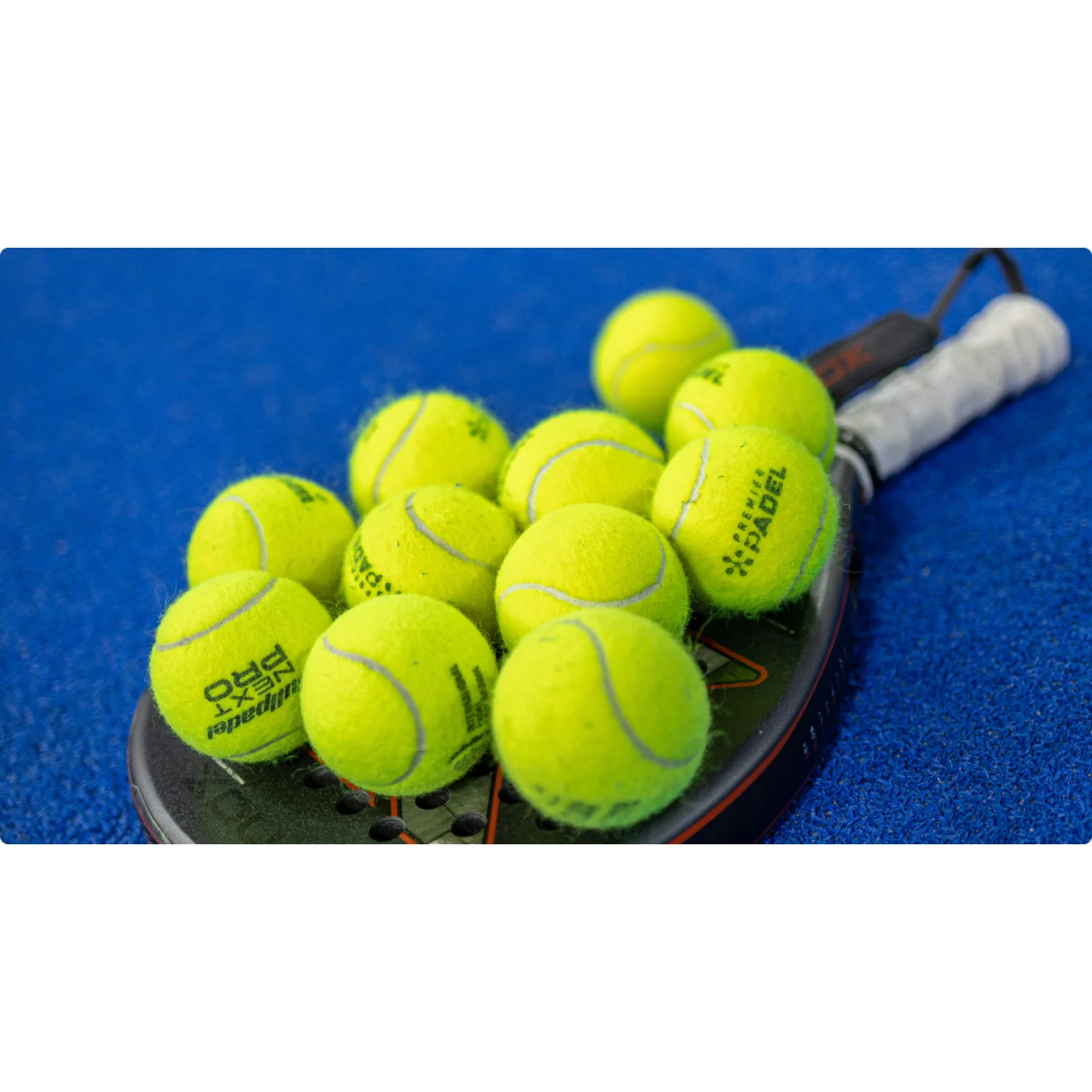
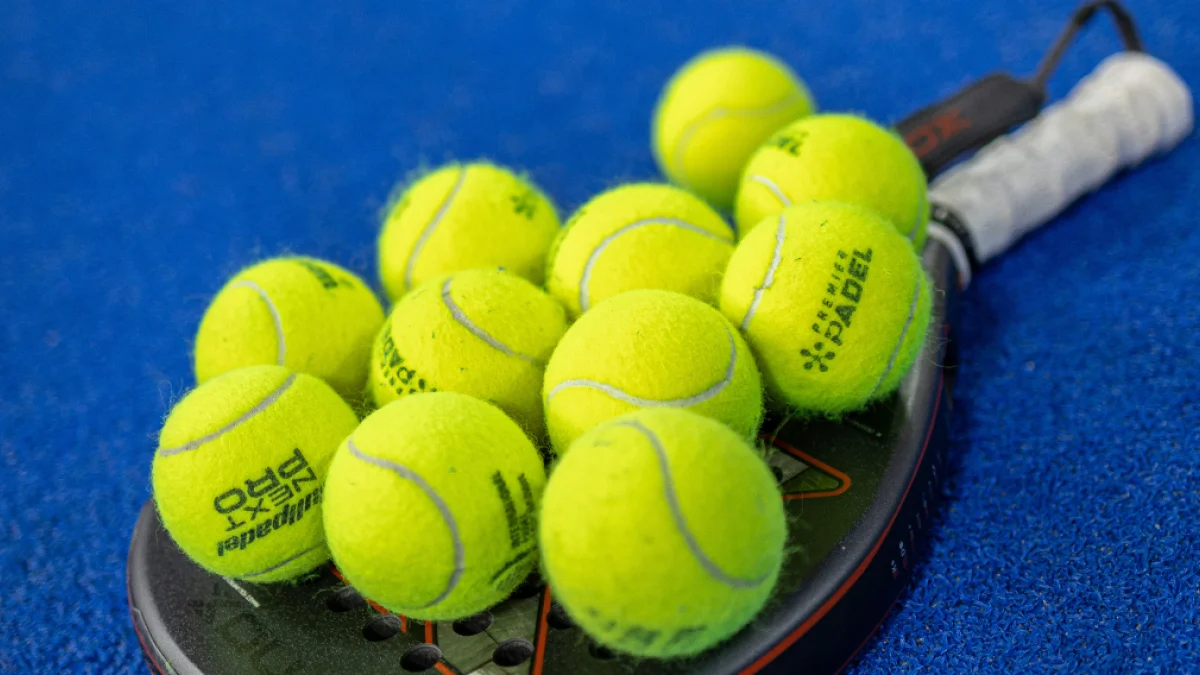
Choosing a padel ball may seem simple, but there are differences between the various models that directly affect speed, bounce, feel during play and durability. A suitable ball helps maintain a comfortable and predictable pace throughout a match, while a model that is too fast or unsuitable for the court conditions can make the game more demanding.
To find the best padel ball for each situation, it is worth considering your playing level, the ball's pressure, weather conditions and how frequently it is used.
What Should You Consider When Choosing a Padel Ball?
Not all padel balls provide the same playing experience. Even when they meet the technical requirements applicable to padel, there may be differences in speed, bounce and durability.
One of the first aspects to consider is internal pressure. Pressure influences how the ball reacts when it makes contact with the racket, the glass or the mesh fence. A ball with a livelier response tends to leave the racket more quickly and can make rallies more dynamic.
Durability is also important. With use, the pressure and material properties gradually change, which can result in a less consistent bounce. For those who play several times a week, choosing durable balls may be more important than simply looking for the fastest model.
Playing level is another relevant factor. A player who is just starting out may benefit from a ball with predictable behaviour that is easy to control. Intermediate or advanced players, on the other hand, may prefer a faster ball, especially when looking for a high playing pace.
Therefore, choosing a padel ball should not depend solely on the brand or price. It is more useful to consider the characteristics that best match each person's playing style.
How to Choose a Padel Ball According to Your Playing Level
For those who are just starting out in padel, the most important thing is to follow the ball's trajectory and control their shots without the pace becoming excessive. A ball that is too fast can make learning the technique more difficult, particularly during the first training sessions.
In this case, it may be worth choosing a model that offers a predictable bounce and balanced speed. The aim is not necessarily to find the slowest ball, but rather an option that allows players to develop their shots, improve their positioning and gain confidence during play.
For intermediate and advanced players, the choice may be different. With greater experience, players can make better use of a fast ball and a livelier response after contact with the racket. At these levels, speed can contribute to a more intense game and faster rallies.
Playing style is also important. Those who favour a high pace may look for a ball with a quick response, while those who value control may prefer more predictable and balanced behaviour.
There is, therefore, no single best padel ball for every player. The most suitable option depends on experience, the usual playing pace and the conditions in which training sessions and matches take place.
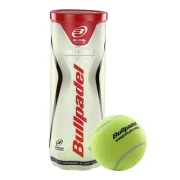
 0.14
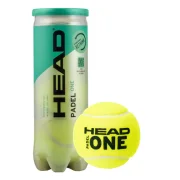

How Do Playing Conditions Influence Ball Selection?
Temperature, altitude and the environment in which the game takes place can alter the behaviour of a padel ball. For this reason, the same model may feel different under different conditions.
Temperature has a particularly important influence. In warmer conditions, the ball tends to gain speed and respond more dynamically. At lower temperatures, its behaviour may be slower and the feel on impact may change.
Altitude should also be taken into account. In addition to standard balls, the FIP provides for a specific category for play at high altitude. According to the official specifications, high-altitude balls have a lower bounce than standard balls, specifically to compensate for playing conditions at higher elevations.
For most players in Portugal, a standard ball will be sufficient for regular training sessions and matches. However, when playing regularly in conditions that differ significantly from the usual ones, it is worth checking whether the manufacturer recommends a specific model.
Padel court conditions can also influence how fast the ball feels. The type of surface, whether the court is indoors or outdoors, and the weather conditions can alter the way the ball behaves during rallies.
Pressurised Padel Balls: What Does It Mean and How Does It Affect Play?
Most balls used in padel are pressurised. Internal pressure helps determine how the ball responds after impact and influences its bounce and speed during play.
A pressurised ball can provide a livelier feel and a quick response off the racket. This can be particularly appealing to players who enjoy a high pace and more intense rallies.
However, the pressure does not last indefinitely. With use, the ball gradually loses its properties, and its behaviour changes over time. This is one of the reasons why a new tube of balls can feel quite different from a set that has been used over several matches.
There are also pressureless balls, designed to maintain more consistent behaviour over a different period of use. The FIP itself recognises both standard pressurised and pressureless balls; the latter use a microcell material designed to reproduce the effect of higher internal pressure.
Therefore, the difference between pressurised and pressureless balls does not simply mean that one option is better than the other. The choice should take into account frequency of use, the type of training and the desired playing feel.
How Long Does a Padel Ball Last?
There is no fixed number of matches that determines when a ball should be replaced. Its lifespan depends on frequency of use, playing intensity, court surface and the conditions in which the balls are stored.
One of the clearest signs is loss of pressure. When the ball starts coming off the racket less forcefully, loses speed or has a noticeably lower bounce than usual, it may be time to use a new set.
It is also important to check the ball's exterior condition. Significant wear to the felt covering, changes to the surface or deformation can affect its trajectory and make its behaviour less predictable.
To extend the lifespan of balls, it is advisable to keep them in a dry place, protected from extreme temperatures and, whenever possible, inside suitable packaging. Avoiding exposure to direct sunlight or leaving them inside a hot car also helps preserve their characteristics.
For those who play regularly, having several tubes of balls and alternating between them can be a practical way to manage wear. During frequent training sessions, replacing balls periodically also helps maintain a more consistent playing feel.
How to Choose Between Different Padel Ball Models
When several models are available, the choice should start with the needs of the person who will be playing. There is no need to simply look for the most expensive balls or those marketed as the fastest.
For beginners and occasional players, it makes sense to prioritise a predictable, balanced ball that is durable enough for regular training sessions and matches.
For intermediate and advanced players, speed, response on impact and bounce consistency may be more important. In this case, different models can provide different playing sensations, even when they all meet the technical requirements for padel.
It is also worth checking whether the model is approved for official competitions when this is relevant. The FIP maintains a list of approved balls and establishes technical requirements relating, among other aspects, to the ball's weight, dimensions and bounce.
Ultimately, the best choice is the one that matches your playing level, desired pace and the conditions in which matches usually take place. When comparing padel balls, these factors are more useful than choosing solely on the basis of brand popularity or price.

Be the first to know what's happening in padel
Subscribe for gear guides, playing tips and the latest padel news — straight to your inbox.
 Vitalii Grigorovich
 Fast delivery: 1–2 business days
 The best prices on the web
 30 days to return the product
 Helpful customer support
