
 +351 963 509 874
 mail@funpadel.pt


 4.28
4.28
 Bestseller
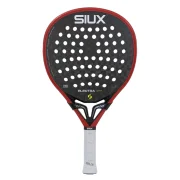
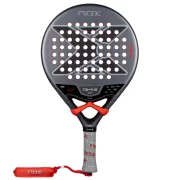



How to Choose the Best Padel Racket: A Comprehensive Guide
 6 min
6 min
- What to evaluate before buying
- Experience level
- Playing style
- Racket shapes
- Round shape
- Teardrop shape
- Diamond shape
- Hybrid shape
- Weight and balance
- Light and heavy rackets
- Low, medium, and high balance
- Materials and stiffness
- Fiberglass and carbon
- Core types
- Which racket to choose for each level
- Common mistakes in choosing
- Checklist before buying
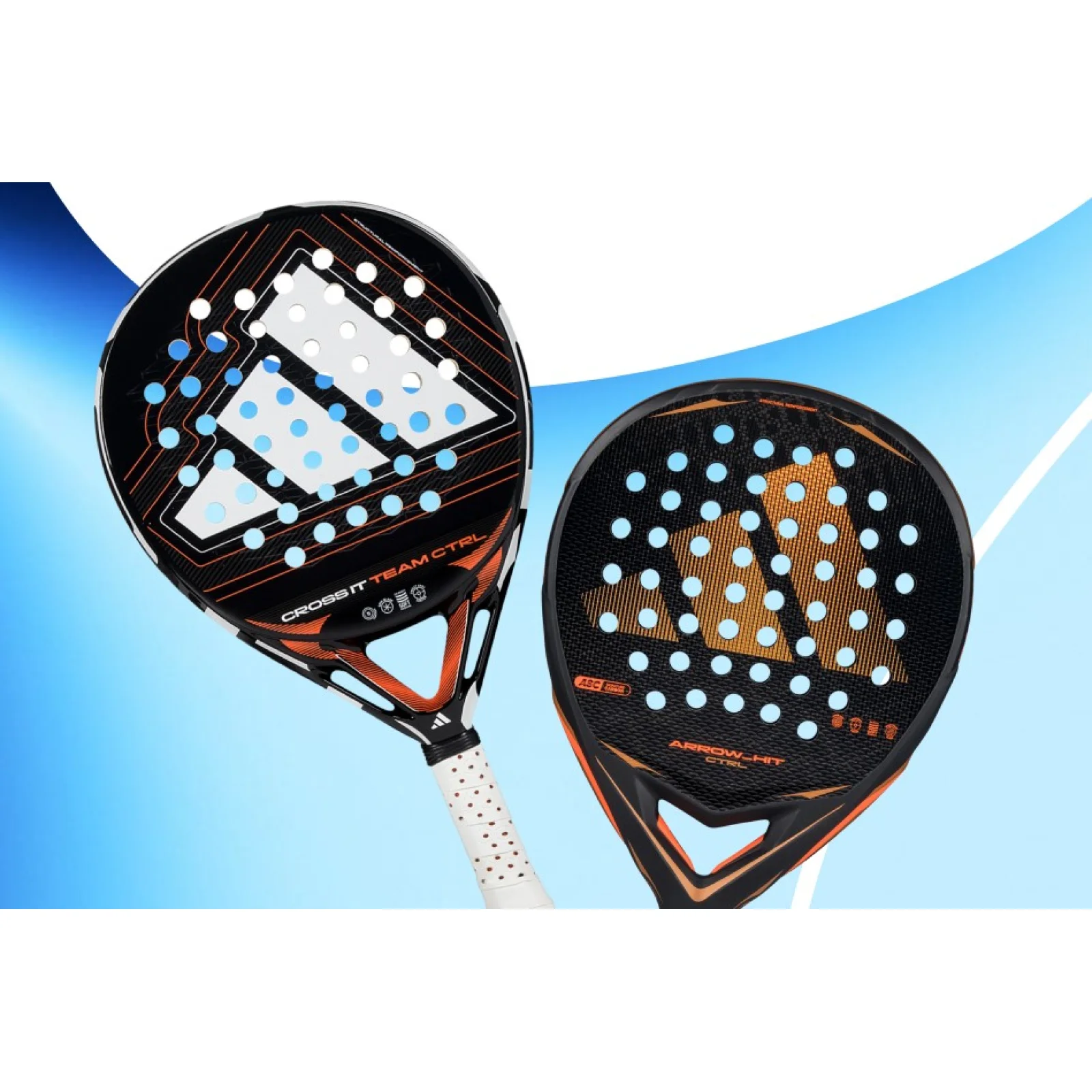
Knowing how to choose a padel racket requires analyzing shape, weight, balance, stiffness, materials, and core. These elements influence maneuverability, control, power, precision, and comfort. The most expensive or stiffest racket is not necessarily the most suitable one. The choice must consider the level, playing frequency, physical condition, and the style adopted on the padel court.
What to evaluate before buying
The first step is to identify what one intends to improve: speed near the net, stability on impact, depth in defense, or precision. The frequency of training helps define priorities. Those who play occasionally may value easy adaptation and comfort; with intensive use, materials and durability gain importance. Persistent discomfort should not be ignored.
Experience level
A beginner usually benefits from a wide sweet spot and good maneuverability. At an intermediate level, one may seek greater stability or a more defined relationship between control and power. An advanced player tends to choose according to the role performed on the court.
Playing style
Those who build the point from the back of the court usually prioritize control and a quick preparation. A versatile profile seeks a balance between defense and attack. An offensive player may prefer greater stability or a high balance, as long as they can move the racket without delaying the shot.
Racket shapes
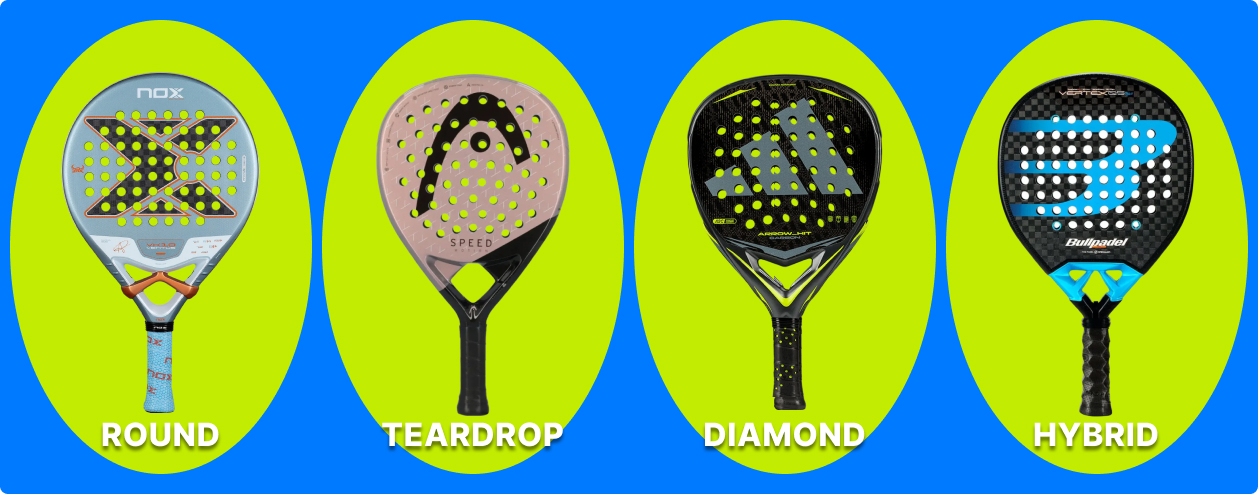
The shape influences the usual position of the sweet spot and is related to mass distribution. However, it does not determine behavior on its own: two rackets with the same geometry may have different weight, balance, core, and stiffness. The shape should be a starting point. The comparison becomes more precise when it includes the level, type of play, balance, stiffness, and surface.
Round shape
In round rackets, the sweet spot tends to be in a central area and the balance is usually low or medium. This combination favors control, comfort, and maneuverability. It can suit both a beginner and an advanced player focused on defensive precision.
Teardrop shape
The teardrop shape usually seeks to reconcile control and power. The sweet spot tends to be located slightly above the center and the balance is usually medium. It can adapt to intermediate or versatile players, depending on the construction.
Diamond shape
In the diamond shape, the sweet spot and mass tend to be in a higher area. This configuration can favor attacking shots, but requires preparation and precise contact. It is not automatically the best option for all offensive players.
Hybrid shape
The designation “hybrid” does not correspond to a single geometry. It can indicate an elongated teardrop, a less pronounced diamond, or another combination. It is advisable to confirm the sweet spot, balance, and stiffness of each model.
Weight and balance
The weight of the padel racket must be evaluated together with the balance. Two models with the same weight can convey different sensations if one concentrates the mass near the grip and the other in the head. Shot preparation is a good test. The racket should allow fluid movements, body balance, and quick reaction. Protectors and additional overgrips on the handle can also alter the weight and balance.
Light and heavy rackets
A light racket accelerates easily and favors quick reactions, although it may offer less stability. A heavier option tends to stay firm on impact, but requires greater preparation and can bring on early fatigue. The appropriate weight allows maintaining technique and precision during the match.
Low, medium, and high balance
With a low balance, the mass approaches the grip and the racket becomes more agile. Medium balance reconciles maneuverability and stability. In a high balance, more weight is felt in the head, which can help in the attack, although it reduces reaction speed.
Materials and stiffness
The response depends on the surface, the frame, the core, and the combination between these components. Stiffness alters the sensation of contact and ball output, but a higher value does not automatically mean better quality. A smooth, rough, or semi-rough finish can alter the sensation on contact, but does not replace technique. Wear resistance depends on the entire construction.
Fiberglass and carbon
Fiberglass tends to provide flexibility, comfort, and ball output. Carbon usually offers a firmer and more stable response. The designations carbon 3K, 12K, or 18K describe the weave, but do not form a simple quality scale; the layers, resin, and fiber orientation also influence the result.
Core types
Many rackets use EVA rubber in different densities. A soft core tends to favor comfort and ball output; a medium density seeks versatility; a firm core offers direct contact and precision in accelerated shots, although it may transmit a drier impact.
Which racket to choose for each level
For a beginner, a round or teardrop shaped racket usually works well, with low to medium balance, generous sweet spot, manageable weight, and comfortable core. At an intermediate level, a teardrop or hybrid shape allows for a better adjustment of the relationship between control and power. An advanced player can choose a stiffer model or one with a high balance to attack, but may also prefer a fast, round racket to defend. Among padel rackets with a good quality-price ratio, the most accurate purchase is the one that matches current needs.
Common mistakes in choosing
Among the most frequent mistakes are deciding solely by appearance, copying the choice of a professional player, or assuming that 18K carbon is always superior. Collections associated with professional players can serve as a reference, but do not replace the evaluation of level, technique, and style. It is also risky to ignore the balance, choose a racket that is too heavy, or use an inadequate grip. Shape, weight, stiffness, surface, materials, and core must be compared together. Opinions are most useful when they come from players with a similar profile.
Checklist before buying
Before making a decision, it is advisable to confirm whether the racket matches actual needs and if the technical datasheet allows for a clear comparison:
In case of doubt between two models, the one that maintains control, comfort, and maneuverability throughout the entire match should prevail. It is this overall compatibility that defines how to choose a padel racket.

Be the first to know what's happening in padel
Subscribe for gear guides, playing tips and the latest padel news — straight to your inbox.
 Fun Padel Team

 Iryna Mykhalchuk
 Fast delivery: 2–3 business days
 The best prices on the web
 30 days to return the product
 Helpful customer support
