
 +351 963 509 874
 mail@funpadel.pt


 4.28
 Bestseller
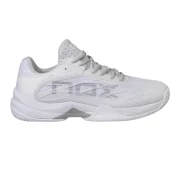
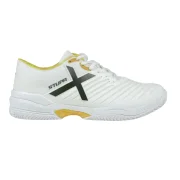


How to Choose Padel Shoes
 3 min
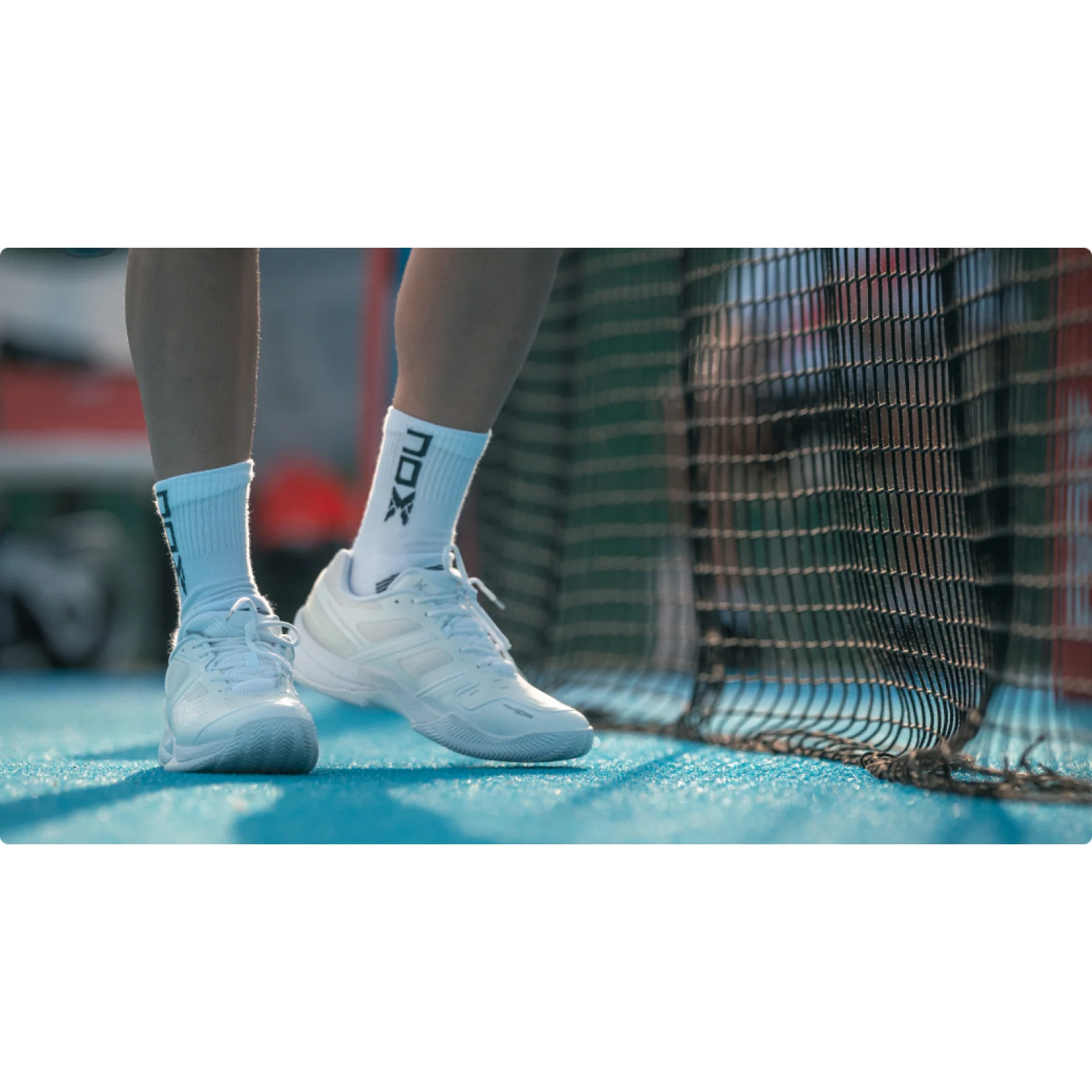
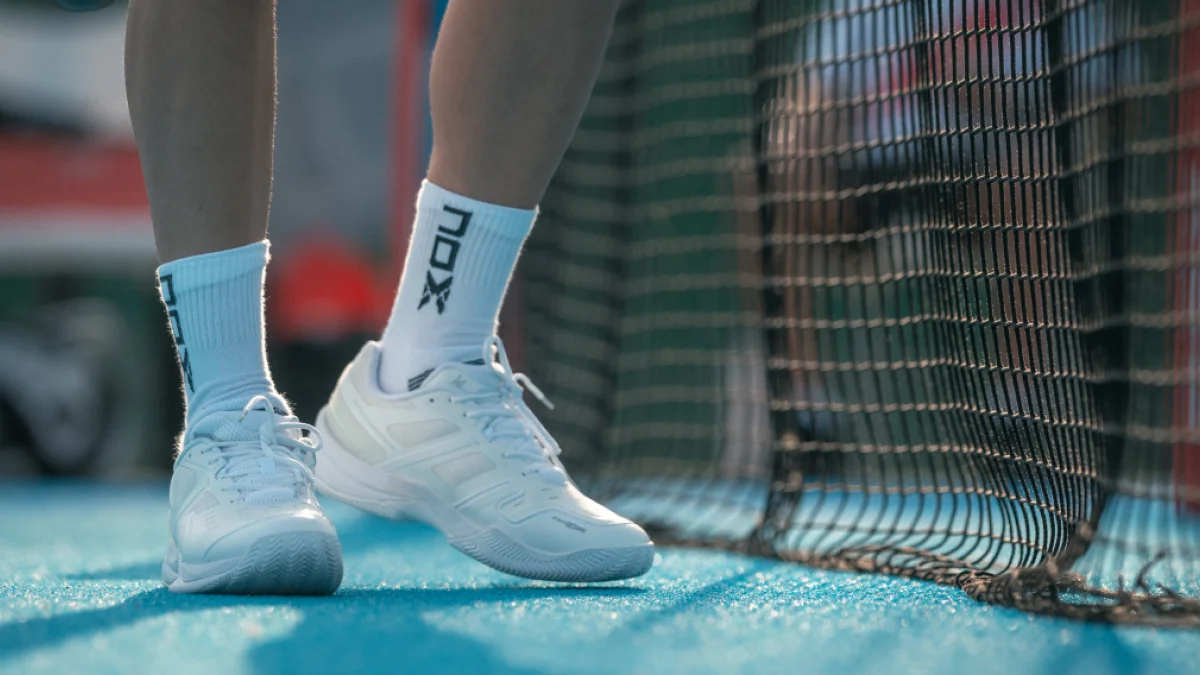
Anyone who has ever slipped during a turn near the glass knows that the issue is rarely technique — it's what’s on your feet. In padel, footwear dictates every braking movement, every change of direction, and ultimately, the long-term health of your ankles and knees. Choosing the right pair is a decision driven by performance and injury prevention, not aesthetics.
Clay Sole vs. Omni Sole: What Changes on the Court
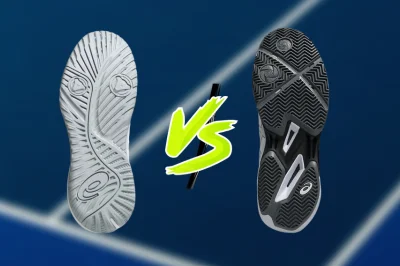
The sole is your first filter. The clay sole, featuring a herringbone or "V" pattern, offers maximum grip on synthetic turf courts with little sand and allows for controlled sliding. The omni sole, with small multi-directional studs, performs better on heavily sanded or worn-out courts, guaranteeing traction in any direction. To compare padel shoe models by sole type, reinforcements, and cushioning levels, the Fun Padel catalog — a specialized European store offering fast shipping across the EU with free shipping on orders over €99 — serves as a practical reference before heading out to play.
Cushioning, Comfort, and Lateral Stability
Unlike running, padel requires short footwork, abrupt stops, and constant lateral movements. A well-designed EVA midsole absorbs the impact of jumps and explosive starts, but excessive cushioning strips away court feel and reduces lateral stability. The ideal balance combines cushioning and comfort in the heel with a firmer forefoot area. Leading manufacturers such as Bullpadel, Asics, and Nox engineer midsoles and reinforcements specifically built for lateral play.
Also look for TPU side reinforcements and an anatomical insole that keep your foot centered and reduce the risk of sprains. Ankle support relies on quality laces, a padded tongue, and a heel counter that hugs the heel without pinching. Players with wider feet should prioritize models with a more generous toe box.
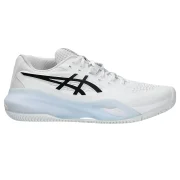
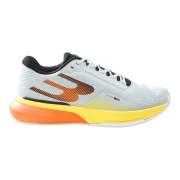
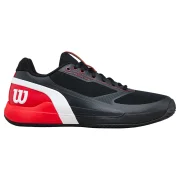
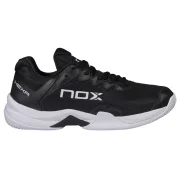

What to Check Before Deciding
Before finalizing your choice, run through this quick checklist:
- Court Surface: Choose clay soles for low-sand courts, and omni soles for heavily sanded or worn surfaces.
- Fit: Your heel should not lift, and your toes need about half a centimeter of clearance.
- Lateral Reinforcements: These should feel firm to the touch, especially if your playing style involves frequent, rapid changes of direction.
- Weight: Lighter models enhance agility, though they typically offer slightly less protection.
- Trial Time: Try them on at the end of the day when your feet are slightly more swollen.
Stepping with Confidence: The Essentials in a Nutshell
The problem is almost always the same: slips, discomfort, or post-match pain. The solution lies in matching the sole to the court surface, balancing cushioning with stability, and ensuring a secure, firm ankle lock. No padel racket, no matter how good, can compensate for inadequate footwear. Therefore, it is always wise to calmly compare features through specialized sources like Fun Padel and replace your padel shoes as soon as the tread wears down.

Be the first to know what's happening in padel
Subscribe for gear guides, playing tips and the latest padel news — straight to your inbox.
 Iryna Mykhalchuk
 Fun Padel Team
 Vitalii Grigorovich
 Fast delivery: 1–2 business days
 The best prices on the web
 30 days to return the product
 Helpful customer support
