
 +351 963 509 874
 mail@funpadel.pt


 4.28
4.28
 Bestseller



Padel Overgrip: What It Is, Purpose, and When to Change It
 5 min
5 min
Good racket control starts with a detail that often goes unnoticed: the grip. During a padel match or training session, the hands are subject to sweat, pressure, and constant movement. This is where the padel overgrip comes in, a simple accessory that can improve grip and make handling the racket more comfortable.
But what is an overgrip and how does it differ from the original grip? What is its purpose, how often should it be replaced, and how do you choose the most suitable option? This guide explains the main aspects to keep in mind.
What is a padel overgrip?
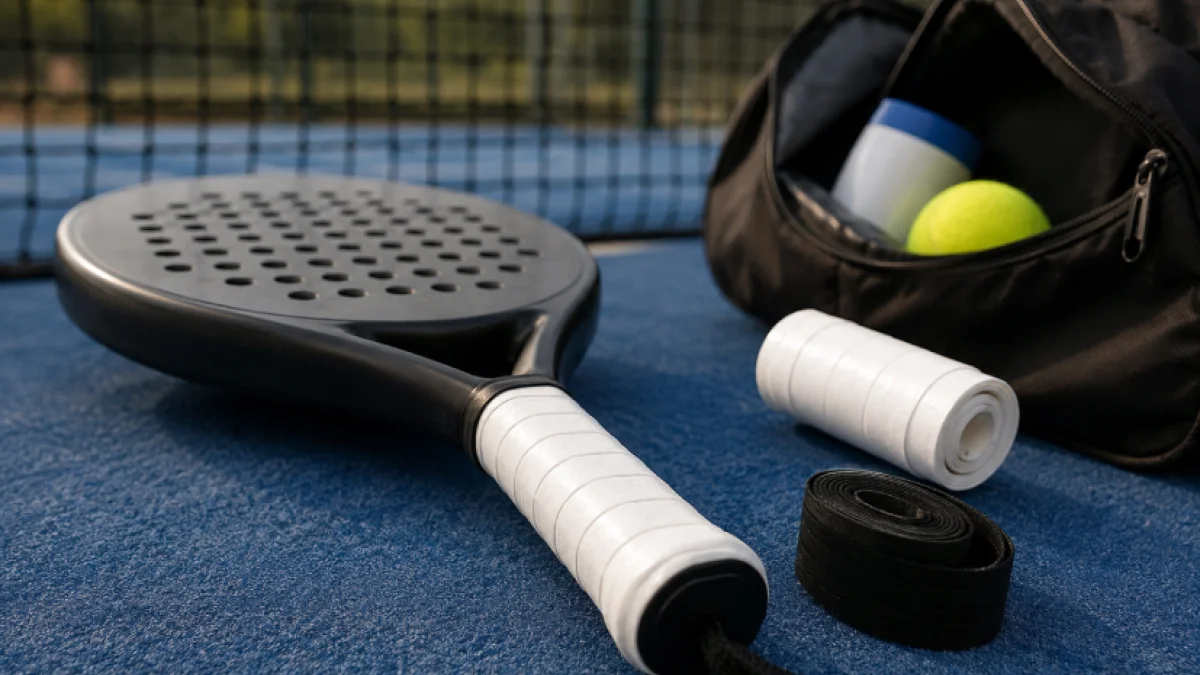
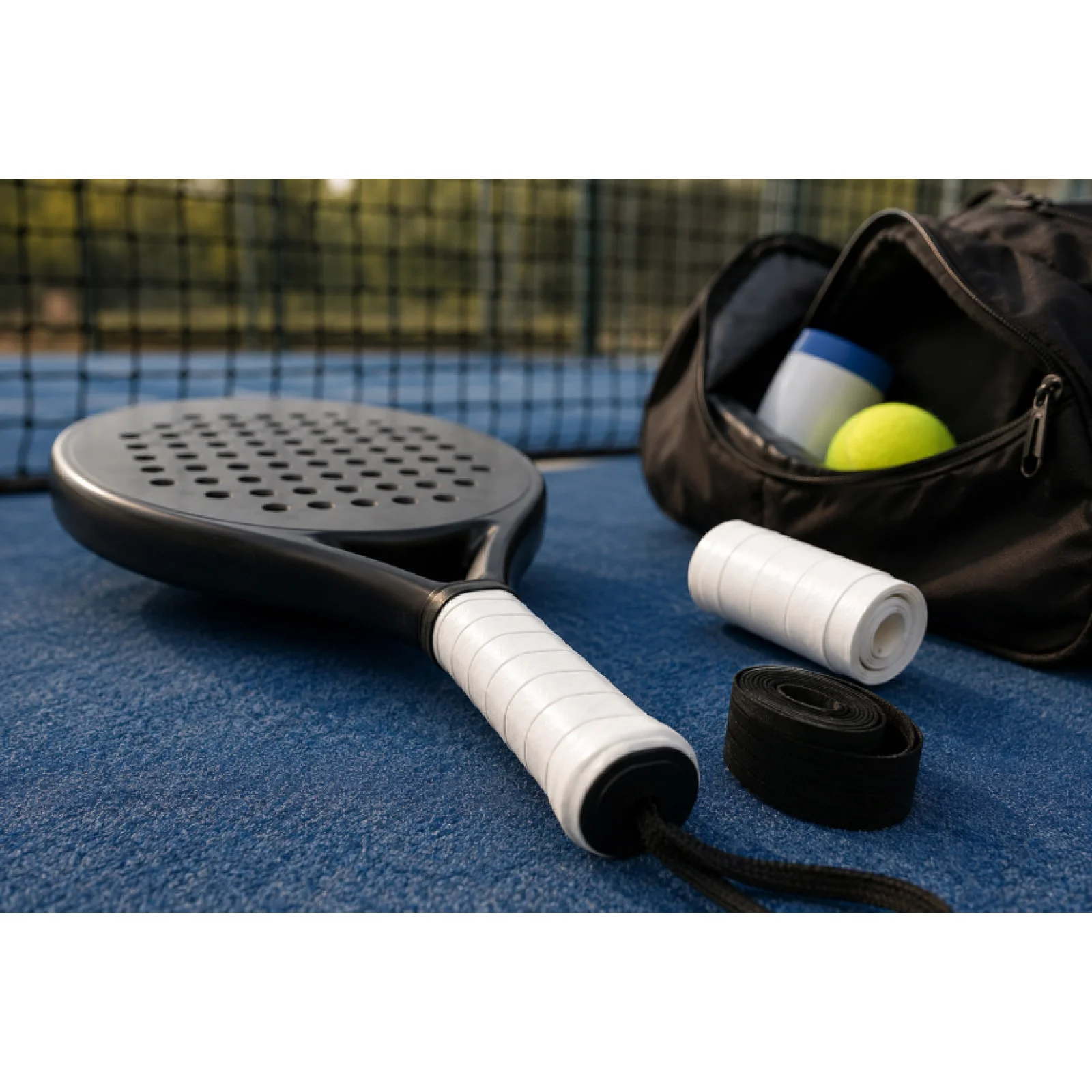
The overgrip is a thin tape placed around the original grip of the racket. Its main function is to create a more grippy and comfortable contact surface for the hand, allowing the racket to be held more securely.
Unlike the grip, which is part of the racket's base setup and is normally applied directly to the handle, the overgrip is an additional layer. It can be easily replaced whenever it loses its characteristics.
Therefore, the padel grip and the overgrip are not exactly the same thing. The original grip contributes to the size and comfort of the handle, while the overgrip allows you to adapt the feel of the hold and regularly renew the contact surface.
What is the purpose of an overgrip in padel?
Using a padel overgrip can offer several advantages during the match. The first is grip. An appropriate surface helps prevent the racket from slipping, especially when there is perspiration or when movements are more intense.
The overgrip can also increase comfort. A slightly cushioned layer reduces the feeling of direct contact with the handle and can make the hold more pleasant during prolonged sessions.
Another benefit is the ability to adjust the thickness of the handle. Some players prefer a thinner hold, while others feel more comfortable with a slightly thicker handle. Using one or more layers makes it possible to make minor adjustments without altering the racket.
In addition, the overgrip protects the original grip from wear and tear caused by frequent use. This way, it is possible to keep the handle in better condition for longer.
Grip or overgrip: what is the difference?
Although the two accessories are related, they serve different functions. The grip is the layer placed directly on the handle of the racket and is normally thicker. Its replacement is less frequent.
The overgrip is thinner and designed to be placed on top of the grip. Since it is in direct contact with the hand, it accumulates sweat, moisture, and dirt more quickly. For this reason, replacing it is part of regular equipment maintenance.
For most players, it is not necessary to replace the grip every time the overgrip loses its tackiness. Simply remove the used overgrip and apply a new one, provided the original grip remains in good condition.
When should the overgrip be changed?
There is no fixed number of matches that determines when a padel overgrip needs to be replaced. The frequency depends on the intensity of training sessions, perspiration, court conditions, and each player's preferences.
However, there are some clear signs of wear:
Players who sweat heavily through their hands may need to change the overgrip more frequently. In intense sessions, it may be preferable to apply a new one before an important match, even if the previous one still seems usable.
How to choose the best padel overgrip?
There is no single best padel overgrip for all players. The choice should take into account the desired feel and the conditions in which the racket is used.
Grip is one of the most important criteria. An overgrip with higher tackiness can be a good option for those who sweat heavily or prefer to feel the racket firmly fixed in the hand.
Moisture absorption also deserves attention. Some models are designed to help keep the surface drier during play, while others prioritize a softer, tackier feel.
Thickness and cushioning also influence comfort. A thicker model can make the handle slightly more voluminous and provide a softer feel. Conversely, a thin overgrip alters the handle dimensions less.
It is also important to consider the frequency of use. For those who train several times a week, it may make sense to have multiple overgrips available in the padel bag and replace them regularly.
How to apply a padel overgrip?
Knowing how to put on a padel overgrip is relatively simple, but how it is wrapped influences the final result.
First, the old overgrip should be removed and the condition of the original grip checked. Then, the new overgrip should be applied starting from the bottom of the handle, following the direction indicated by the manufacturer.
The tape must be wrapped progressively, maintaining constant tension. Each turn should slightly overlap the previous one, without creating folds or gaps between the layers.
Upon reaching the top of the handle, the overgrip should be secured with the included finishing tape. It is important to avoid pulling too tightly during application, as this can excessively alter the thickness and texture of the hold.
With some practice, replacement takes only a few minutes and can be done before a training session or match.
A small accessory with an impact on the game
The overgrip may seem like a secondary detail, but it has an important function in the contact between the player and the racket. A comfortable and grippy hold facilitates movement control and allows you to focus your attention on the game.
The choice should stem from individual needs: level of grip, moisture absorption, thickness, and comfort. More important than simply looking for the most expensive model is finding an overgrip suited to your playing style and frequency of use.
Maintaining the overgrip in good condition is therefore one of the simplest ways to care for your padel equipment and ensure a consistent hold throughout practices and matches.

Be the first to know what's happening in padel
Subscribe for gear guides, playing tips and the latest padel news — straight to your inbox.
 Vitalii Grigorovich
 Fast delivery: 2–3 business days
 The best prices on the web
 30 days to return the product
 Helpful customer support
